
4 Ways Traditional Growing Skills Support Sustainability
At a Glance
Traditional growing skills help reduce waste, improve soil health and support long-term sustainability. By focusing on seasonal planting, mindful water use and natural soil care, growers create more balanced allotments. These practices reduce reliance on chemicals and support healthier crops while encouraging a more consistent and thoughtful approach to everyday growing routines.
A Practical Approach to More Sustainable Growing
Growing your own produce supports a more mindful and sustainable way of living. Many growers begin with good intentions, yet long-term results depend on consistency. Small changes in how you plan and maintain a plot make a huge difference.
A reliable framework, shaped by allotment rules, helps guide responsible growing practices. These guidelines encourage efficient land use, proper maintenance, and respectful use of shared spaces. Over time, they support habits that reduce waste and improve overall productivity.
They also help growers stay organised, making it easier to manage tasks across different seasons. This structure reduces guesswork and allows for more consistent results throughout the year.
Traditional skills remain valuable because they focus on working with natural conditions. Instead of relying heavily on artificial inputs, growers adapt to seasonal patterns, creating a more balanced allotment environment that supports healthier crops.
This approach encourages patience and observation, helping growers respond to changes more effectively, creating a growing space that feels easier to manage and more productive.
Let’s explore 4 ways traditional growing skills can help boost sustainability.
1. Build Better Soil Through Natural Methods
Healthy soil forms the foundation of any successful and sustainable growing space. Traditional methods focus on maintaining soil quality through natural and consistent care. This reduces the need for chemical fertilisers and supports long-term productivity.
Composting plays a key role in improving soil structure and nutrient content. Garden waste, kitchen scraps, and other organic materials can be reused effectively on the plot. This process creates nutrient-rich compost that supports plant growth naturally.
Regular composting also reduces household waste, turning everyday materials into something useful. This simple habit supports both the allotment and wider environmental efforts.
Mulching also helps retain moisture while protecting soil from temperature changes. Organic materials placed on the surface reduce weed growth and improve water retention. Together, these practices create stable conditions that support stronger and healthier plants.
2. Manage Water More Efficiently Over Time
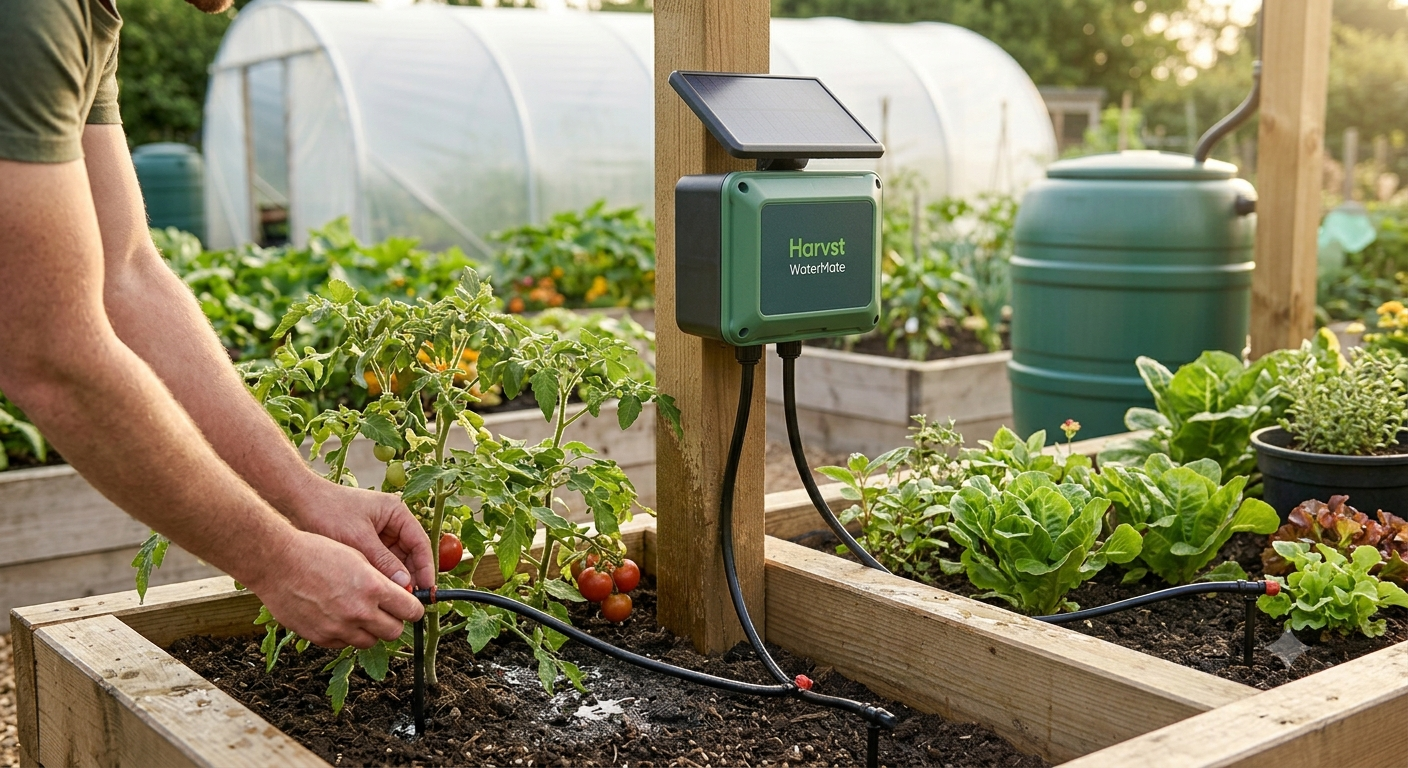
Water management remains one of the most important aspects of sustainable growing. Traditional techniques focus on careful use rather than excessive watering routines. This helps prevent runoff, soil erosion, and unnecessary waste of resources.
Collecting rainwater provides a simple and effective way to reduce dependency on the mains supply. Storage systems allow growers to use natural rainfall year-round, providing a more reliable water source during drier periods.
This approach also helps reduce water costs while encouraging more mindful usage, creating a more balanced and sustainable watering routine.
Consistent observation also helps determine when watering is actually needed. Soil moisture levels and weather conditions guide decisions rather than fixed schedules, improving efficiency and supporting healthier plant development over time.
This method also prevents unnecessary strain on plants, which results from inconsistent watering habits. A steady approach helps maintain stronger growth across different stages.
3. Plan Crops With Seasonal Awareness
Traditional growing methods rely heavily on understanding seasonal cycles and local conditions. Choosing crops suited to the environment reduces the need for artificial adjustments. This improves yield while lowering the effort required to maintain the plot.
It also reduces the likelihood of crop failure, as plants grow in conditions they are naturally suited to. This makes the process more reliable for growers of all experience levels.
Crop rotation remains a key practice for maintaining soil health and reducing pests. By changing plant families each season, growers prevent nutrient depletion and disease buildup. This supports a more balanced and productive growing space.
Seasonal planning also helps reduce overproduction and unnecessary waste. Growers can align planting schedules with expected consumption and storage capacity, creating a more efficient system that supports both productivity and sustainability.
4. Reduce Waste Through Better Organisation
Waste reduction plays an important role in sustainable allotment management. Traditional practices encourage growers to monitor production and consumption closely. This helps identify areas where adjustments improve efficiency.
Keeping simple records of planting cycles and harvest quantities supports better planning decisions. Growers can track what works well and adjust future planning accordingly. This reduces surplus produce that might otherwise go unused.
Sharing excess crops with local communities also supports a more sustainable approach. It ensures that produce is used effectively rather than discarded. These small changes contribute to a more balanced and responsible growing system.
In Conclusion
Traditional growing skills continue to support more sustainable living through simple and effective methods. By focusing on soil health, water management and seasonal planning, growers create more balanced allotments.
These practices reduce reliance on artificial inputs while improving long-term productivity. They also encourage a more thoughtful approach to managing resources within each growing space. These small adjustments build a system that becomes easier to maintain over time.
As more growers look to grow their own produce, these methods remain highly relevant. They offer a reliable way to support sustainability while maintaining consistent and healthy crop development.